

Designing Preclinical Echocardiography Studies That Answer the Research Question
Designing Preclinical Echocardiography Studies That Answer the Research Question
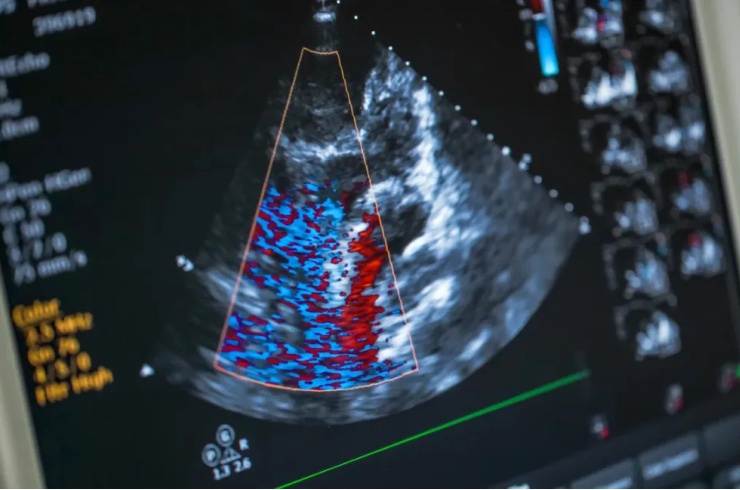
Learn how to select appropriate echocardiographic measurements, account for their limitations, and build imaging endpoints into well-designed preclinical studies.
Functional cardiac endpoints can be challenging to obtain, particularly in longitudinal studies where changes must be evaluated consistently over time. Non-invasive echocardiography offers a wide range of measurements, but determining which endpoints will meaningfully address the study question requires careful consideration of the disease model, species, study design, and physiological function being assessed.
In this webinar, Dr. Tim Hacker will examine the use of systolic and diastolic echocardiographic measurements in preclinical research. Drawing from his experience across small- and large-animal models, he will discuss which measurements can be obtained, what they can reveal, and where their limitations may affect interpretation. Attendees will gain a clearer understanding of how to incorporate echocardiography into studies designed to evaluate cardiac function and disease progression.
Key Learning Objectives:
- Identify the systolic and diastolic measurements available through preclinical echocardiography.
- Recognize how species, disease model, and study objectives influence endpoint selection.
- Understand the capabilities and limitations of commonly used echocardiographic measurements.
- Apply key study-design considerations when using echocardiography in longitudinal research.
- Select measurements that align with the cardiac function or disease process being investigated.
Speaker

Tim Hacker, PhD
Expert in Cardiovascular Models, Advanced Sonography, and Hemodynamic Data Analysis
Tim Hacker, PhD is a cardiovascular physiologist with more than 30 years of experience in preclinical research, specializing in advanced echocardiography, pressure–volume loop analysis, invasive hemodynamics, and translational cardiovascular disease models. He works with pharmaceutical, biotechnology, CRO, and academic teams to strengthen study design, optimize functional endpoint selection, and ensure cardiovascular data are interpreted within the appropriate physiological context.
An internationally recognized educator and consultant, Tim has trained scientists worldwide in cardiovascular physiology and functional assessment techniques. His approach combines technical expertise with physiological insight, helping research teams generate robust, decision-supportive data that improve confidence in preclinical study outcomes.
Related Services
Sign up for Endpoint News

Recent Articles
Sign up for Endpoint News