

Endpoint Preclinical Introduces Neuromuscular Research Expertise with Dr. Ramzi Khairallah
Endpoint Preclinical Introduces Neuromuscular Research Expertise with Dr. Ramzi Khairallah
With more than 20 years of experience in muscle physiology and translational research, Dr. Ramzi Khairallah introduces a new area of expertise to Endpoint’s Expert Network, bringing specialized capabilities in neuromuscular model development, functional assessment, and therapeutic evaluation.
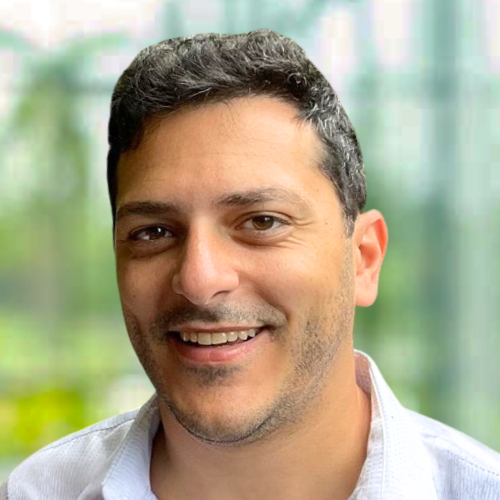
Endpoint Preclinical is pleased to welcome Ramzi Khairallah, PhD, to our Expert Network. Ramzi’s career has centered on understanding how skeletal and cardiac muscle function changes in response to disease, injury, and therapeutic intervention. His scientific background spans molecular medicine, muscle physiology, and biomedical research, with contributions to the understanding of muscular dystrophy, mitochondrial function, and the mechanisms that influence muscle performance. View Ramzi’s Profile.
Ramzi began his research career investigating cardiac metabolism and the cellular processes associated with muscle dysfunction. His doctoral and postdoctoral work expanded that foundation into skeletal and cardiac muscle physiology, including research on muscular dystrophy, mitochondrial calcium dynamics, and cellular signaling. This work contributed to an extensive publication record and helped establish the scientific approach he later brought to independent research and therapeutic development.
In 2014, Ramzi co-founded Myologica, a specialized research organization focused on evaluating neuromuscular function and therapeutic responses. Through Myologica, he has developed capabilities that allow researchers to examine muscle performance at multiple levels, from whole-body movement and coordination to individual muscle contractility. These approaches help distinguish changes in general motor performance from effects on muscle function itself, providing a more complete understanding of treatment responses.
“Understanding muscle function requires looking beyond a single measurement,” says Dr. Khairallah. “Different experimental approaches tell us different things about how a muscle is performing and why that performance may be changing. I enjoy working with research teams to identify the right combination of models and assessments so the data can answer the questions that matter most to their programs.”
An important part of Ramzi’s work is selecting the appropriate experimental approach for each scientific question. Behavioral assessments can help characterize overall performance, while in vivo, in situ, and ex vivo techniques allow researchers to investigate specific aspects of muscle strength, fatigue, contractility, and injury susceptibility. By integrating these complementary methods, he helps research teams determine whether observed changes reflect meaningful improvements in muscle function and identify the physiological mechanisms behind those effects.
“Welcoming Ramzi marks an important step in the development of our Expert Network,” says Cole McLarty, CEO, Endpoint Preclinical. “Neuromuscular research is a new specialty for us, and Ramzi brings the scientific depth and practical experience to establish that capability. His expertise in muscle physiology, functional assay development, and therapeutic evaluation gives our clients access to specialized guidance for research programs where understanding muscle performance is critical.”
With Ramzi joining the network, Endpoint introduces dedicated neuromuscular research expertise alongside its existing scientific and technical specialties. We look forward to connecting clients with his experience in muscle physiology, functional assessment, and preclinical therapeutic development.
Sign up for Endpoint News

Recent Articles
Sign up for Endpoint News