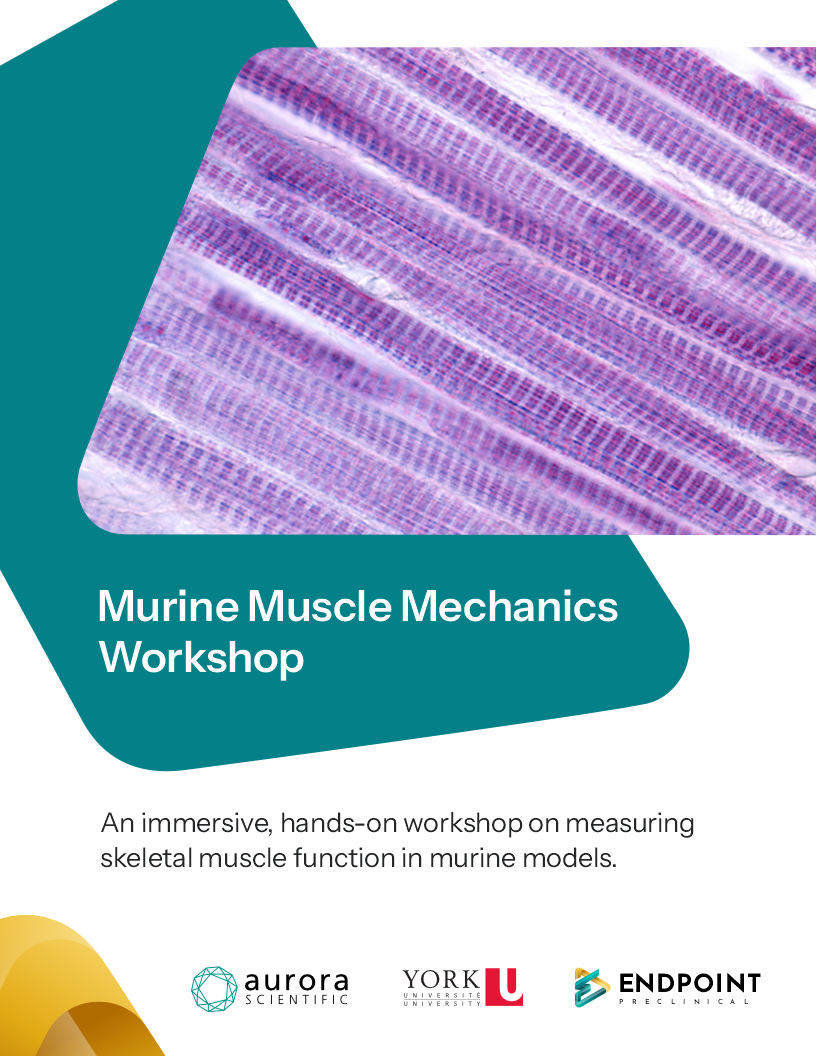

Murine Muscle Mechanics Workshop
An immersive, hands-on workshop on measuring skeletal muscle function in murine models.
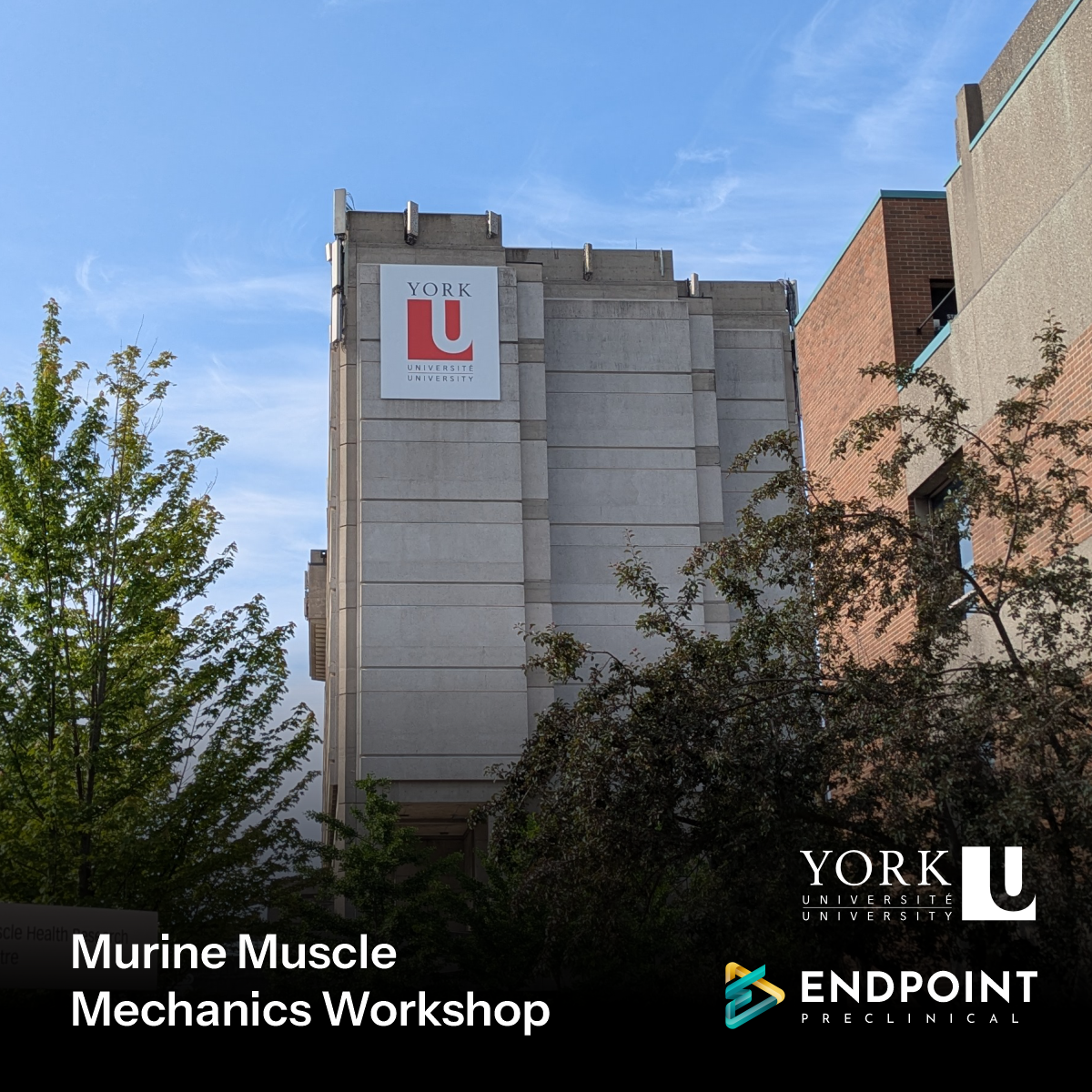
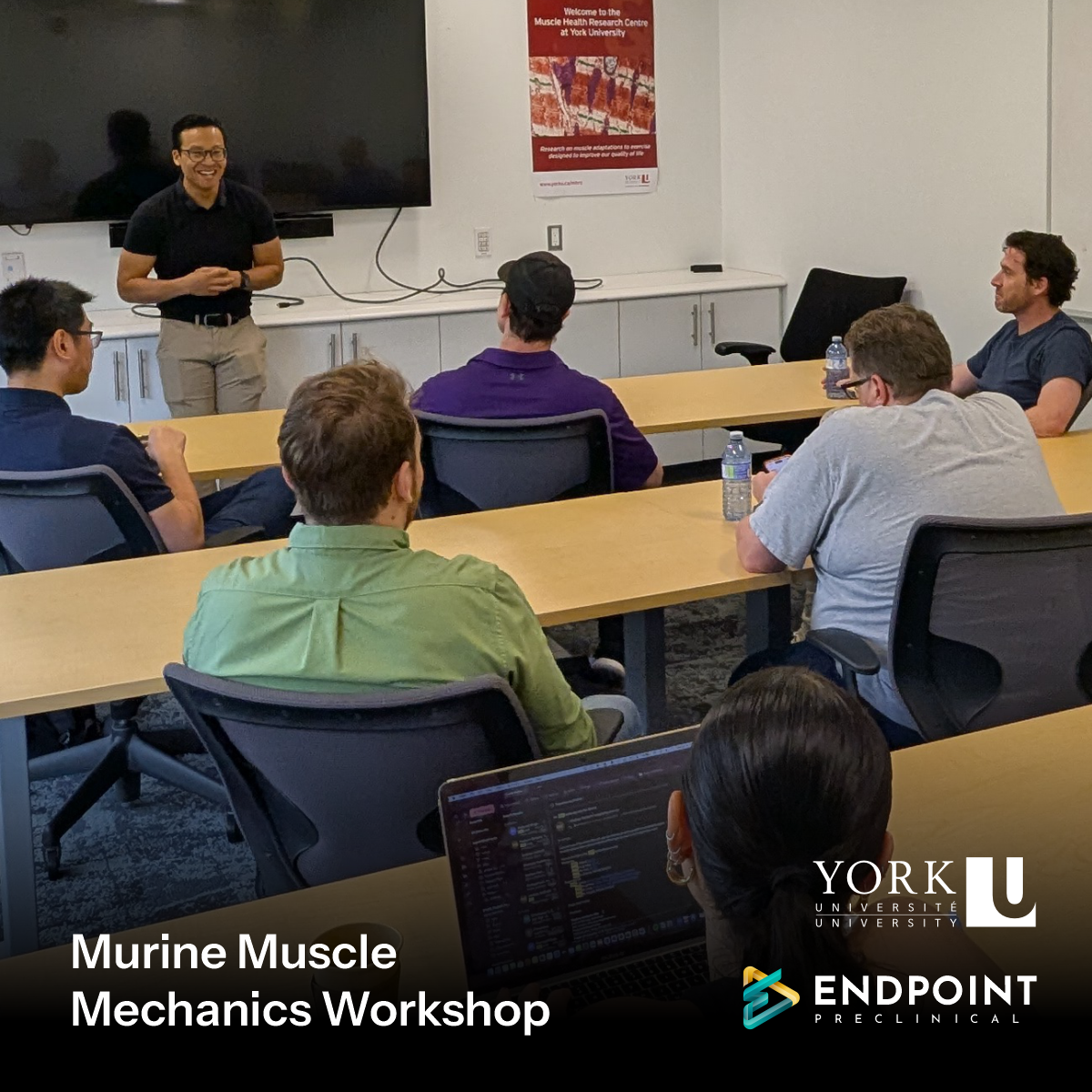
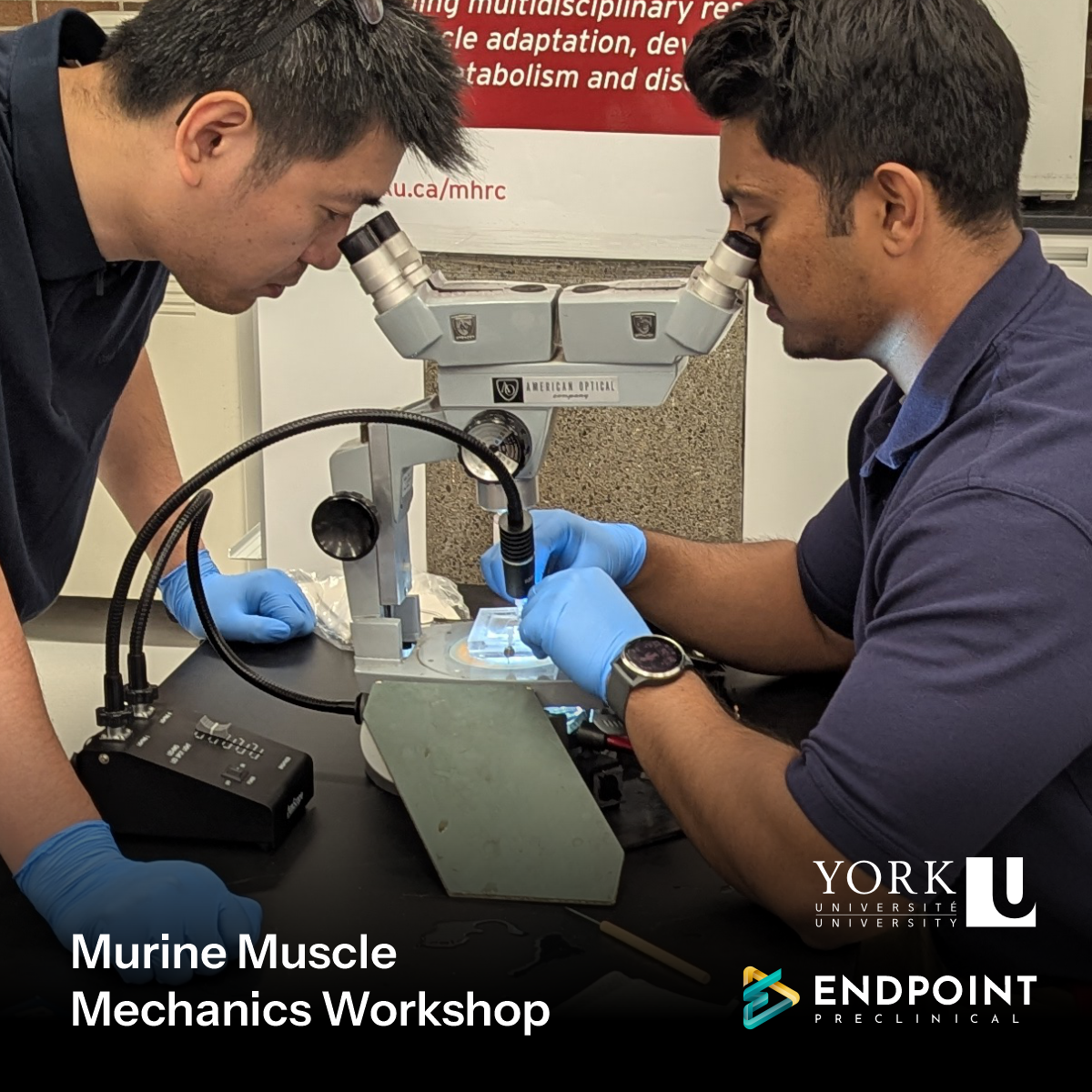
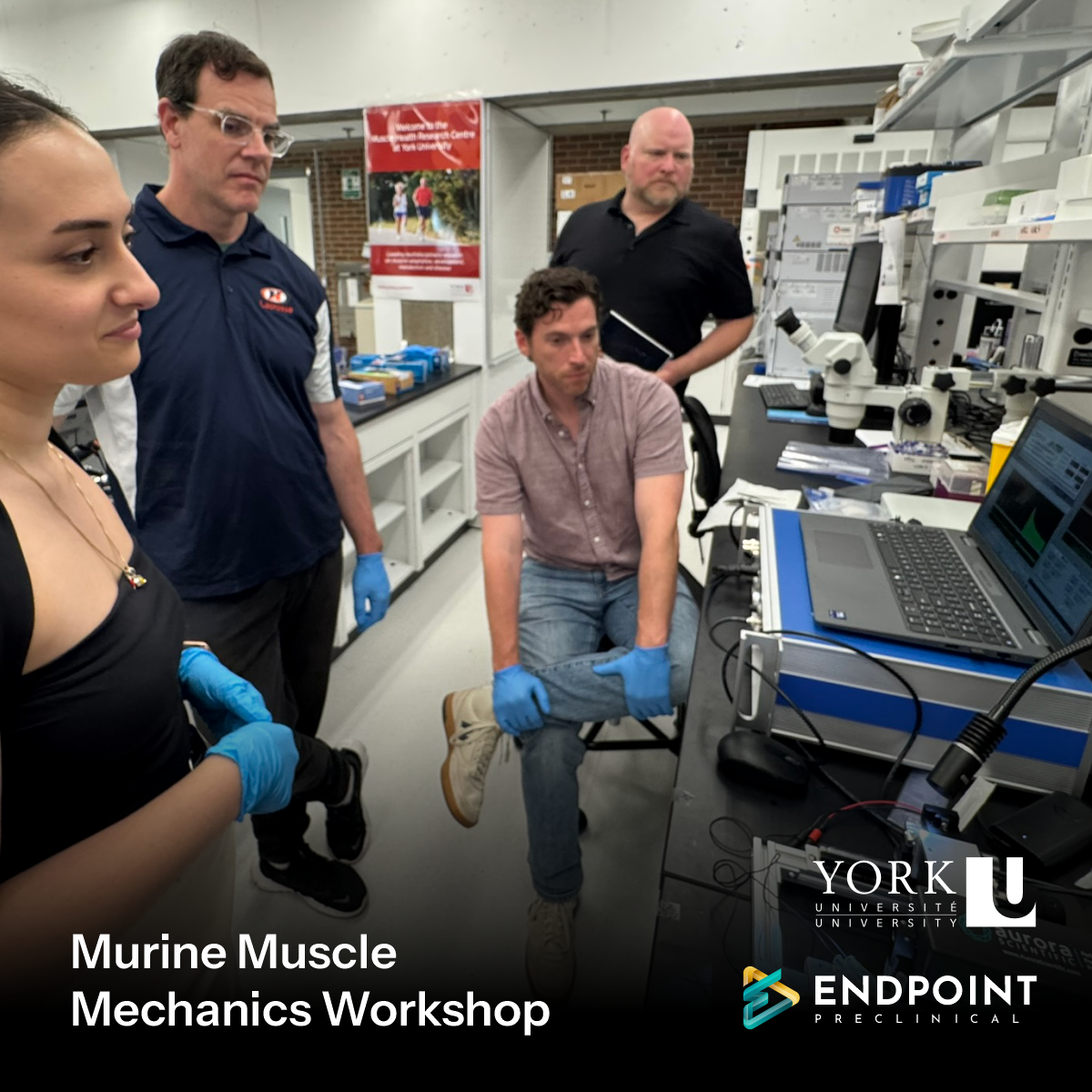
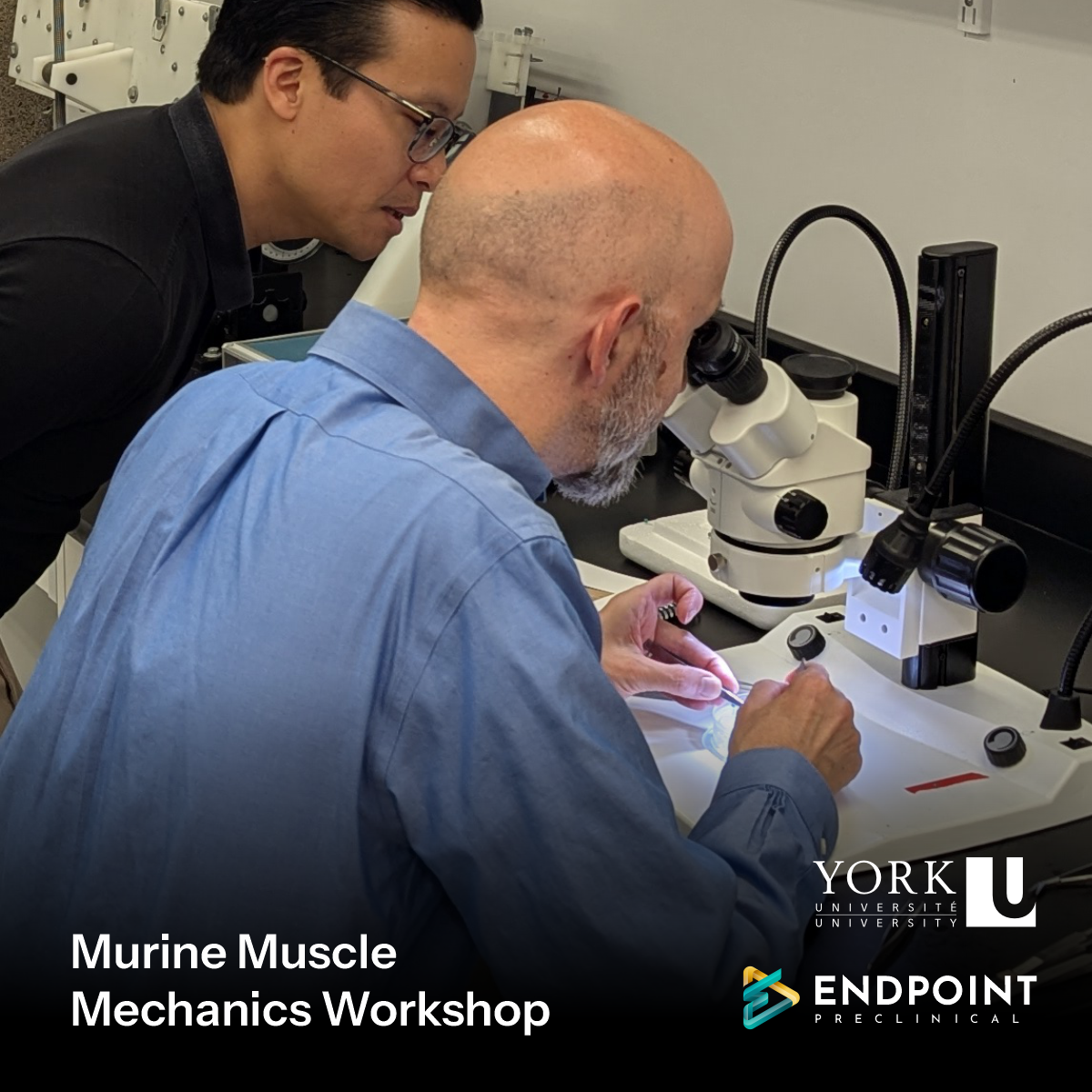
Hosted by Dr. Christopher Perry and Dr. Arthur Cheng in the Muscle Health Research Centre at York University, and produced in partnership with Aurora Scientific, our Murine Muscle Mechanics Workshop integrates fundamentals of muscle physiology and mechanics as well as hands-on laboratory training in multiple functional assays. This program is designed to impart preclinical researchers with the necessary knowledge and techniques to effectively measure and interpret muscle mechanics and functional outcomes in murine models.
Topics:
- Muscle architecture, principles of function, typical muscles assessed and benefits of in-vivo function
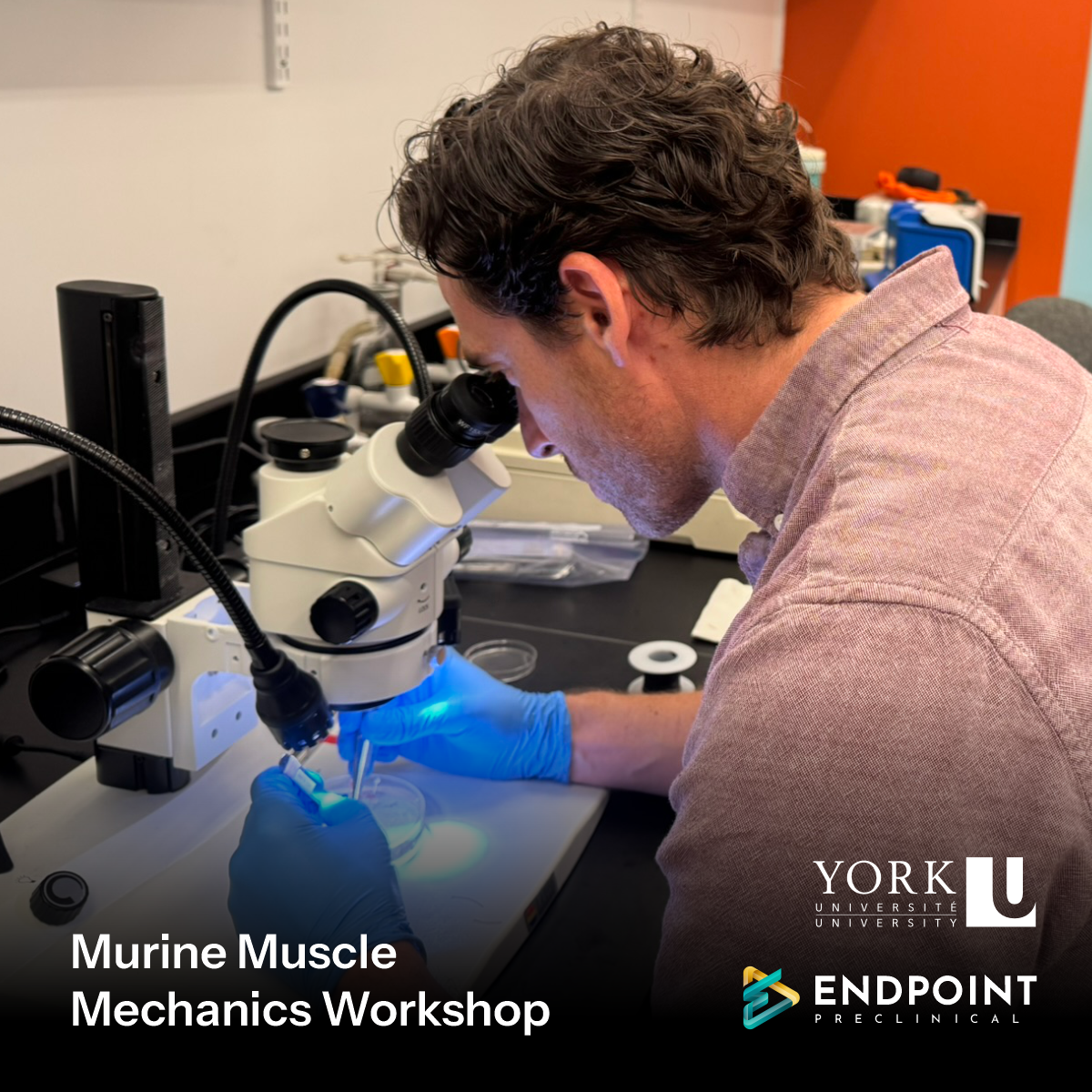
- Fundamental surgical approaches for in-situ and in-vitro methods, including dissection and suturing techniques
- Correct handling of animals, tissues, and test instrumentation
- Tissue viability and animal optimization before, during and after the procedure
- Animal monitoring and analysis of anesthesia options
- Recommendations and optimizations for experimental design
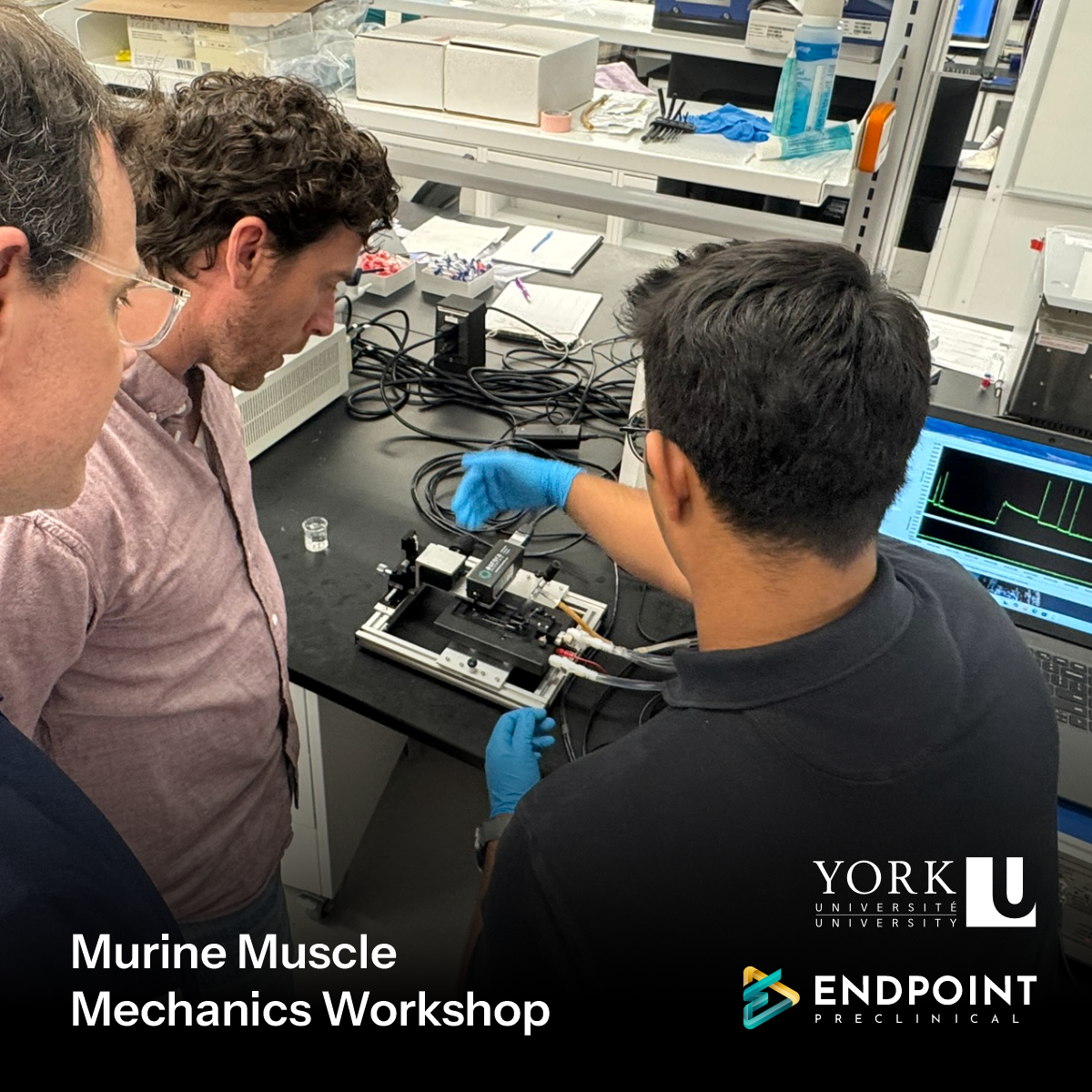
- Performing end-to-end isolated muscle (in-vitro) mechanics of the Extensor Digitorum Longus (EDL), Soleus (SOL) and Diaphragm (DIA)
- Performing end-to-end dissection and mechanics testing (in-situ) of Tibialis Anterior (TA) and Quadriceps (Quad)
- Performing end-to-end whole animal (in-vivo) mechanics testing of the Dorsiflexor and Plantarflexor groups
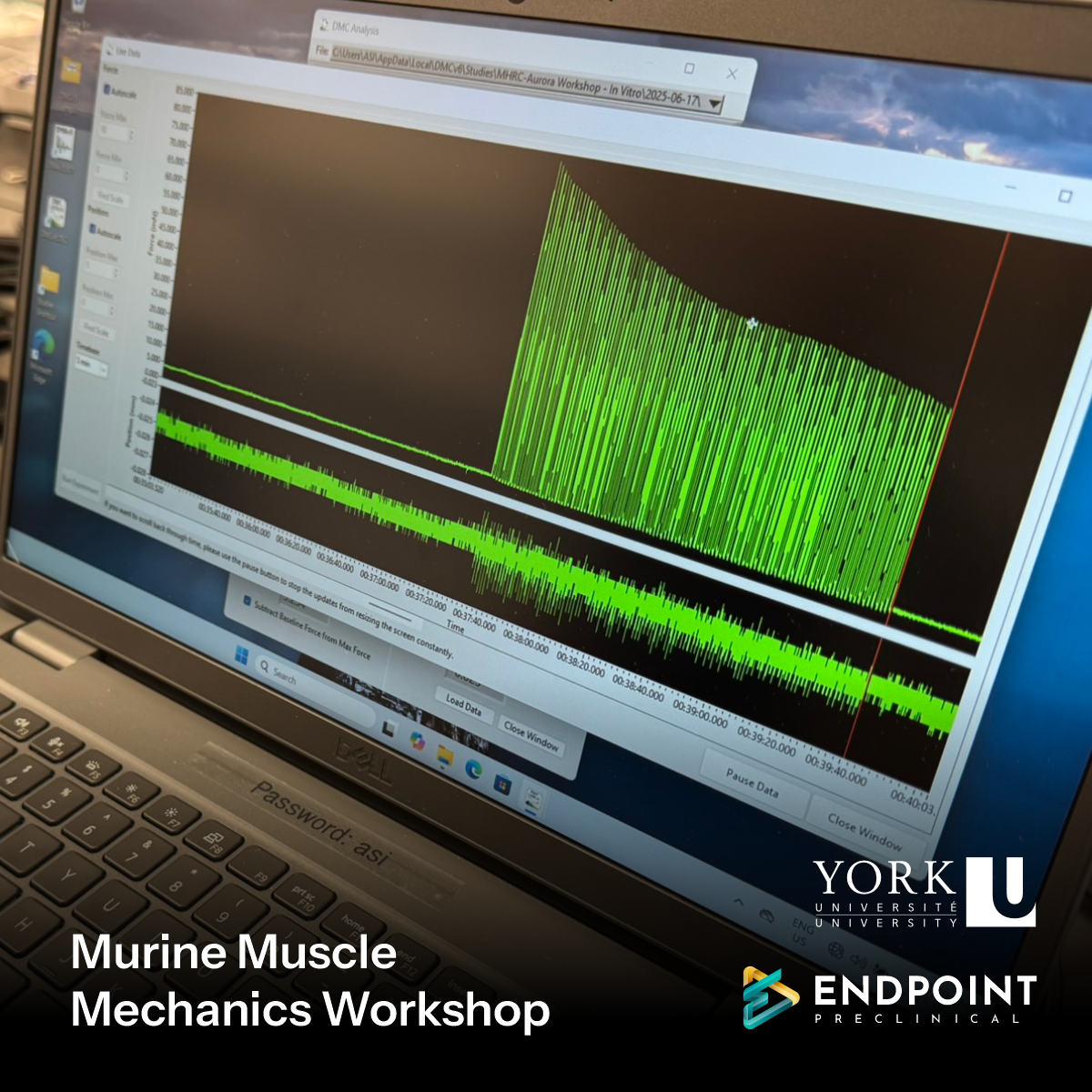
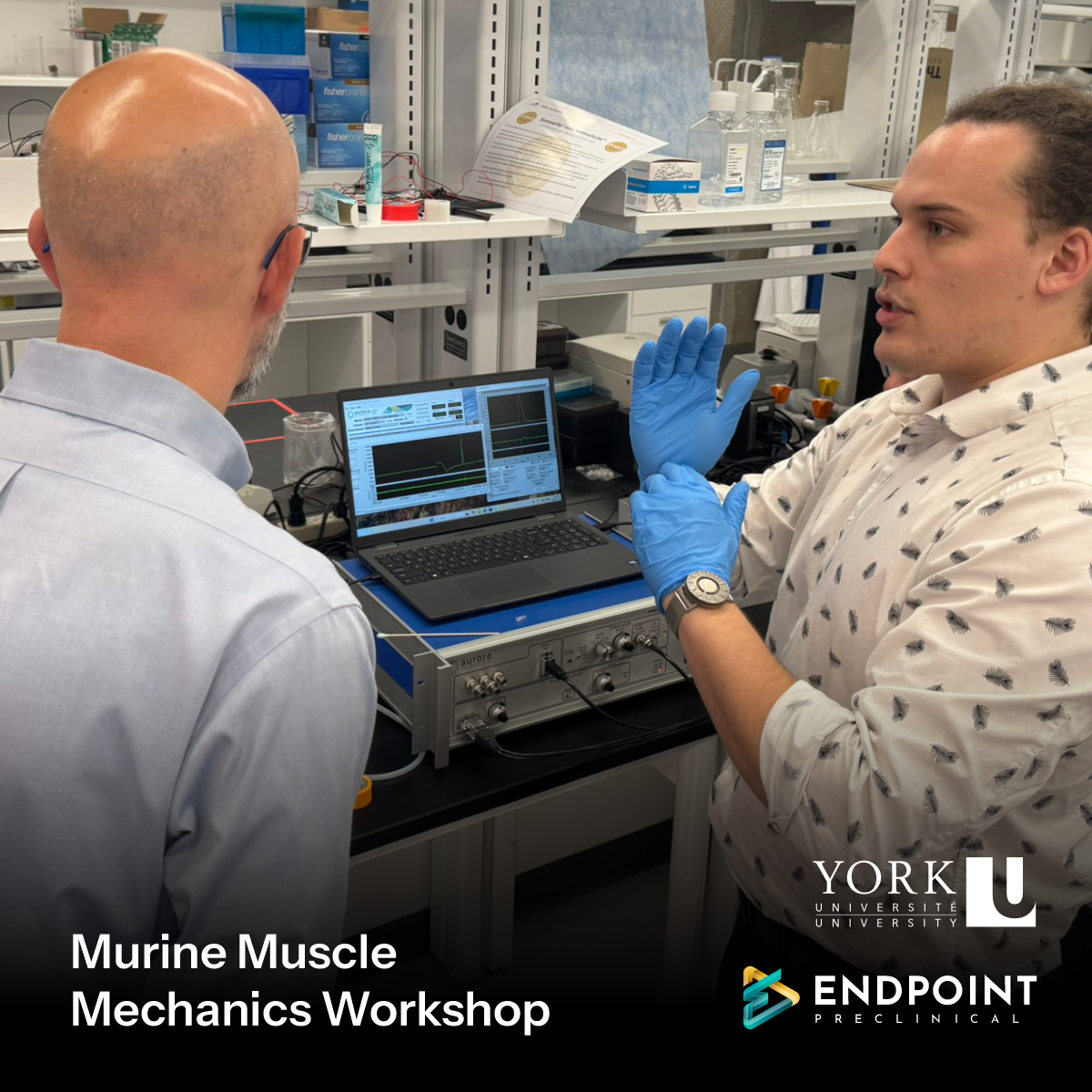
- Common experimental output and data analysis measurements (twitch, tetanus, fatigue, force-frequency, eccentric, force-velocity, etc.)
Cost:
Academic Rate: $3,800 | Industry Rate: $4,600
Pricing is USD. Save when registering two or more members of your lab!

Instructors:
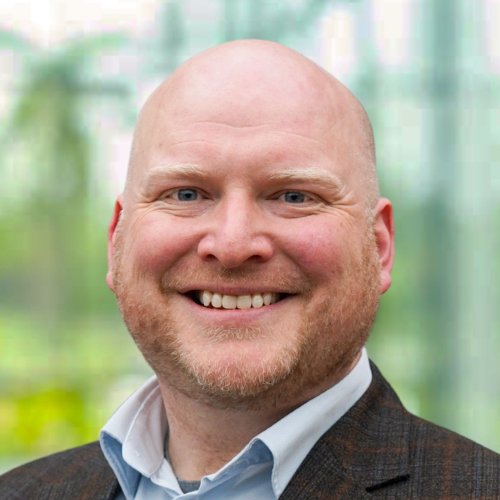
Christopher Perry, PhD
Professor, School of Kinesiology and Health Science
Associate Vice President of Research and Innovation, York University
Dr. Christopher Perry is a Professor in York University’s School of Kinesiology & Associate Vice President of Research and Innovation at York University. His research examines how disruptions in skeletal muscle metabolism contribute to weakness in conditions including Duchenne muscular dystrophy, cancer cachexia, and chemotherapy-induced muscle weakness. Using rodent models, human muscle biopsies, and cell cultures, his laboratory investigates muscle function, mitochondrial bioenergetics, oxidative stress, and calcium regulation to inform new therapies and disease-specific exercise interventions. Dr. Perry also shares his expertise through international training workshops and collaborations with academic and pharmaceutical partners.
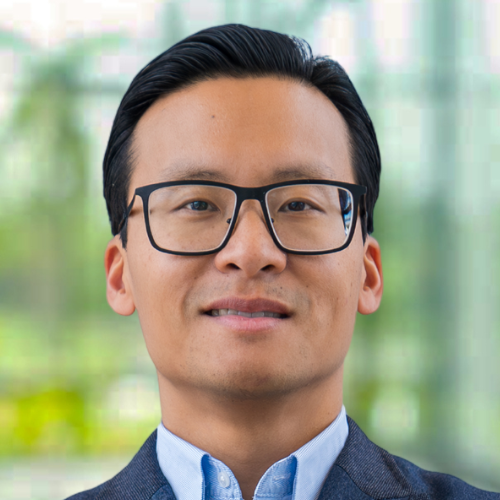
Arthur Cheng, PhD
Associate Professor, School of Kinesiology & Health Science, Faculty of Health
Interim Director of the Muscle Health Research Centre, York University
Dr. Arthur Cheng is an Associate Professor in York University’s School of Kinesiology & Health Science. His research investigates the cellular mechanisms underlying skeletal muscle weakness, fatigue, and post-exercise recovery, with particular emphasis on how excitation-contraction coupling influences force generation in healthy and diseased muscle. His laboratory uses translational approaches spanning single muscle fibers, intact muscle, whole-animal models, and human studies. Dr. Cheng applies these findings to the development of pharmacological, nutritional, and exercise-based strategies that improve muscle strength, fatigue resistance, performance, and recovery across aging and disease-affected populations.
Frequently Asked Questions:
This multi-day, in-person workshop equips researchers with the skills to measure, analyze, and interpret skeletal muscle function in murine models. It combines foundational education with extensive hands-on practice using in-vitro, in-situ, and in-vivo techniques across multiple muscle groups.
Hosted at York University’s Muscle Health Research Centre and delivered in collaboration with Aurora Scientific, this program is designed for both academic and industry scientists working in metabolism, neuromuscular disease, rehabilitation, or basic muscle physiology.
The workshop is led by:
- Dr. Christopher Perry, Professor and Director of the Muscle Health Research Centre, whose research focuses on muscle metabolism and mitochondrial regulation in diseases like Duchenne muscular dystrophy and cancer cachexia.
- Dr. Arthur Cheng, Associate Professor at York University, who specializes in excitation-contraction coupling and skeletal muscle fatigue research across animal and human models.
You’ll gain experience across all three core muscle mechanics methods:
- In-vitro: Isolated muscle prep and testing of the EDL, SOL, and diaphragm
- In-situ: Dissection and mechanics testing of the TA and quadriceps
- In-vivo: Live assessment of dorsiflexor and plantarflexor muscle groups
Additional topics include:
- Muscle architecture and physiology fundamentals
- Experimental design and animal handling
- Tissue viability and anesthesia monitoring
- How to create experiment protocols to assess muscle function
- Data analysis and output interpretation (twitch, tetanus, fatigue, force-frequency, and more)
The workshop unfolds over three structured days:
- Day 1: The scientific rationale behind muscle function testing, plus core dissection and handling techniques
- Day 2: Live demonstrations of surgical and testing methods for each technique, followed by lab-based practice
- Day 3: Participant-directed hands-on sessions, discussion of data outputs, and time for Q&A
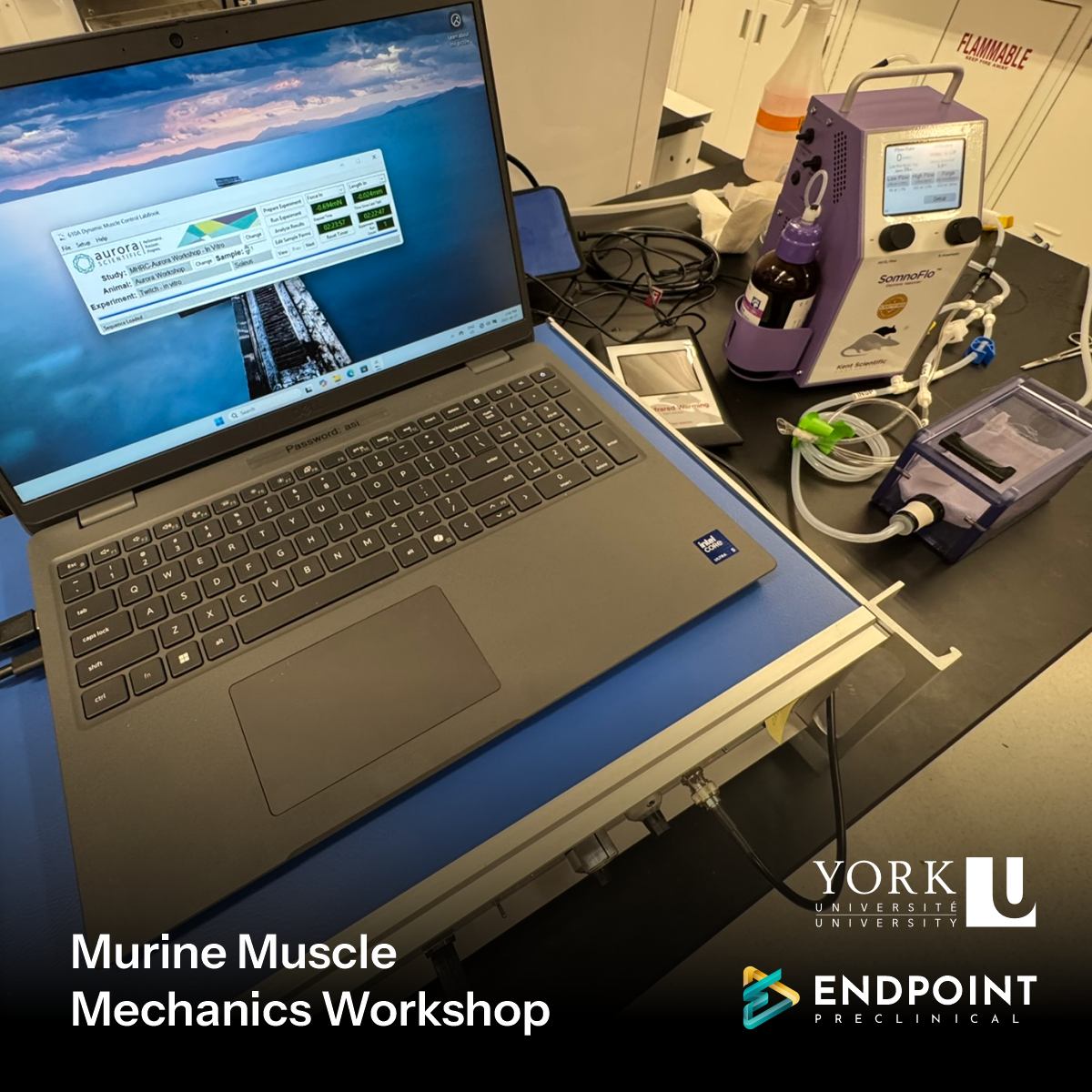
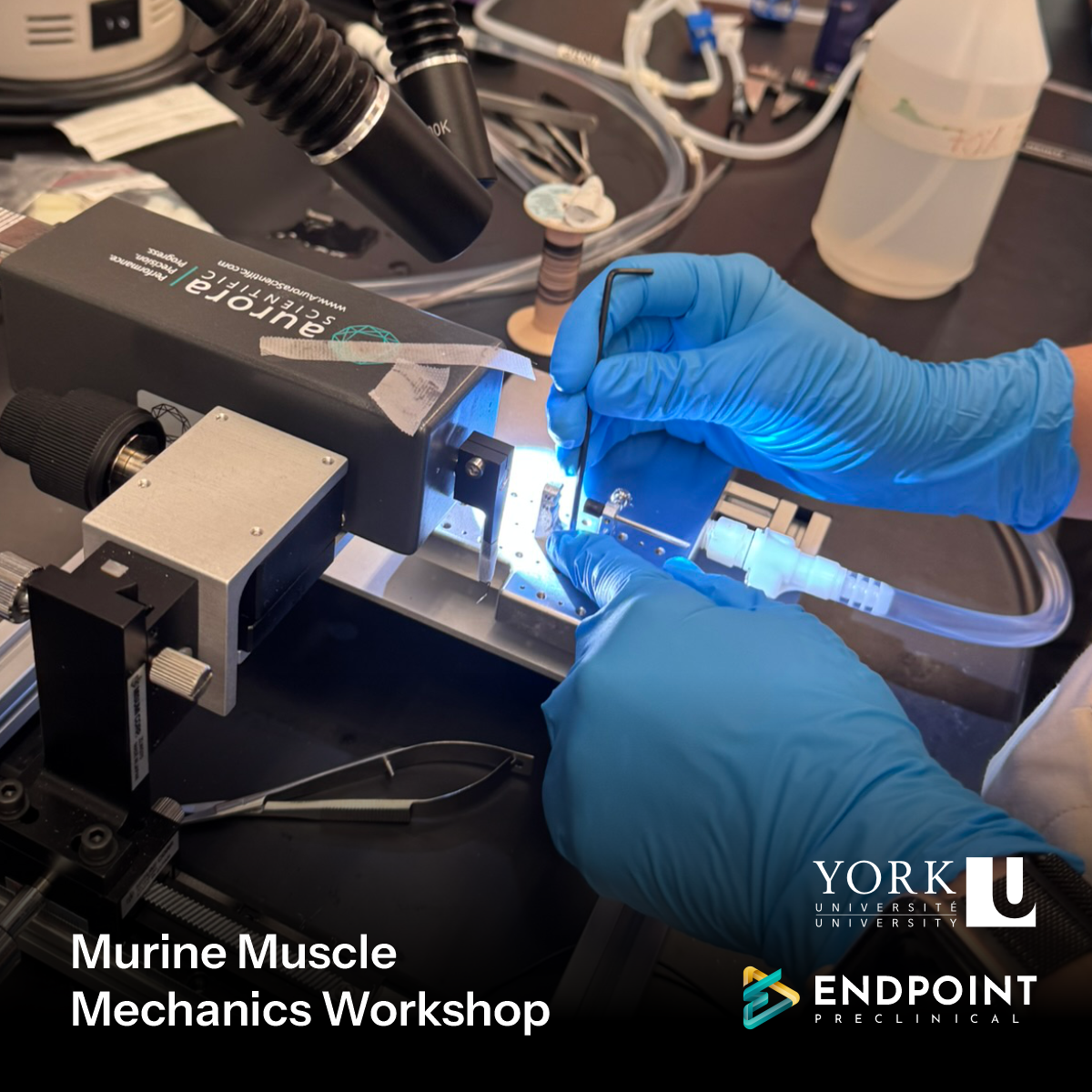
Participants train on Aurora Scientific’s 3-in-1 Integrated Whole Animal System for Mice, gaining firsthand experience with dual-mode levers and force transducers. These systems are widely used in skeletal muscle, neuromuscular, and tissue biomechanics research.
In addition, the workshop features Kent Scientific’s digital anesthesia and physiological monitoring systems for small animal care.
This program is ideal for:
- Researchers who are new to muscle function testing or who may be familiar with some but not all of the in-vitro, in-situ, and in-vivo techniques
- Scientists interested in learning new or alternative approaches to muscle mechanics testing beyond what they currently use in their lab
- Scientists who want hands-on experience with the full capabilities of their recently purchased Aurora Scientific 3-in-1 systems
- Clinical researchers looking to deepen their understanding of physiological endpoints
- Industry scientists or CRO staff seeking practical skill development
You don’t need prior experience with surgical procedures to participate—but a few prep steps can help maximize your experience:
- Ensure you have the appropriate biosafety and animal handling training certifications required to participate fully in the workshop
- Review basic murine muscle anatomy, including fiber type distributions
- Brush up on key physiological terms like twitch, tetanus, and force-frequency relationships
Pricing (in USD) includes instruction, lab access, equipment use, and supplies:
- Academic: $3,800 (individual), or $7,200 (pair)
- Industry: $4,600 (individual), or $8,700 (pair)
Pair pricing applies to two attendees who wish to share a surgical station.
Welcome – We are so grateful that you are traveling to Toronto, Canada to train with us! To support your travels, we provide each participant an official letter of invitation prior to their course.
Air Travel: We suggest you book flights into Pearson International (YYZ) the day before your course, and departing no earlier than 4PM ET on the last day.
Hotels: Regarding lodging, we recommend the following options:
- Vaughan Locations: These locations are just north of campus, offering an easy commute (less than 5 minutes) by subway. They are also close to shopping centers.
-
- Residence Inn Toronto-Vaughan (recommended): https://www.marriott.com/en-us/hotels/yyztv-residence-inn-toronto-vaughan/overview/
- Hilton Garden Inn Toronto-Vaughan: https://www.hilton.com/en/hotels/yyzvagi-hilton-garden-inn-toronto-vaughan/
- Finch Location: this location is just south of campus, providing easy commute by uber or taxi, however, does not provide easy access to the subway.
-
- Holiday Inn Express Toronto-North York: https://www.ihg.com/holidayinnexpress/hotels/us/en/north-york/yyzny/hoteldetail
- On Campus: It is also possible to stay directly on campus at the Schulich Executive Conference Center. We have found that room availability fluctuates month-to-month, but it’s still worth checking! Call to inquire: